
On this page
Ensuring Excellence: Rigorous Inspections and Quality Control in Every Construction Project
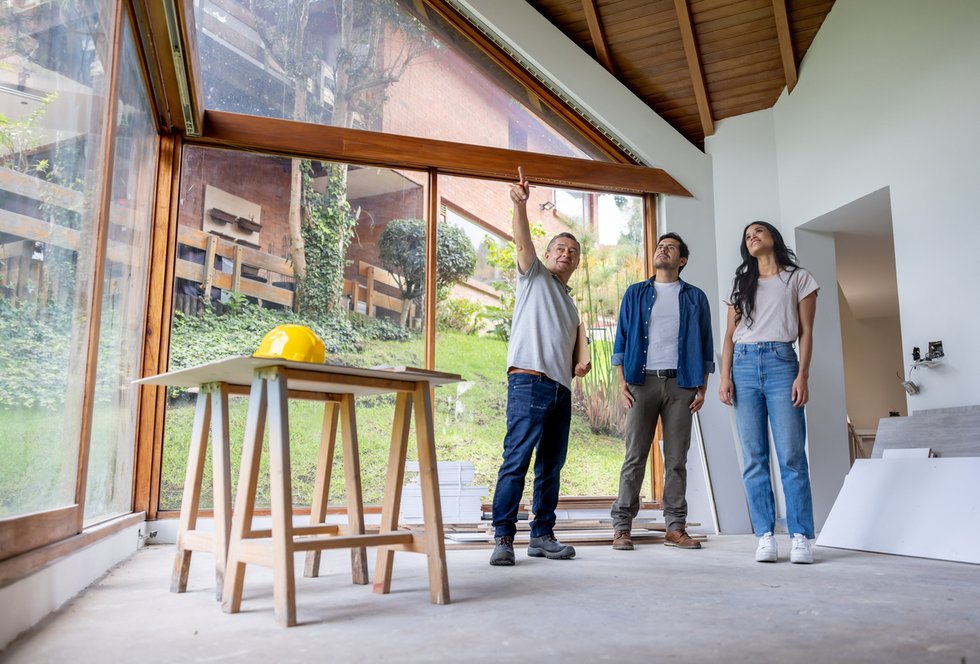 In the world of construction, excellence is not just a goal; it’s a necessity. At B2B Realty, we understand that rigorous inspections and quality control are vital components of every construction project. Our commitment to maintaining high standards ensures that each project meets. Our dedicated team works tirelessly to uphold the integrity of our construction projects, fostering trust and satisfaction among property owners and tenants alike.
Why Quality Control Is the Foundation of Successful Construction Projects?
Quality control is a critical aspect of successful construction projects, serving as the foundation for ensuring that every phase of the project meets established standards and expectations. Here’s why quality control is essential in the construction industry:
Ensures Compliance with Standards
Construction projects must adhere to local, state, and federal regulations, as well as industry standards. Quality control processes help ensure that all work is compliant with building codes and safety regulations, reducing the risk of legal issues and costly fines.
Enhances Safety
Quality control directly impacts the safety of construction sites. By enforcing rigorous standards and conducting regular inspections, potential hazards can be identified and mitigated before they lead to accidents or injuries. A safe work environment not only protects workers but also enhances the overall reputation of the construction company.
Reduces Costs
Implementing quality control measures can lead to significant cost savings. By identifying and addressing issues early in the construction process, costly rework and delays can be minimized. This proactive approach ensures that resources are used efficiently, ultimately reducing the overall project budget.
Improves Client Satisfaction
Delivering a high-quality finished product is essential for client satisfaction. Quality control helps ensure that the final result meets or exceeds client expectations. Satisfied clients are more likely to provide positive referrals and repeat business, which is crucial for the long-term success of a construction company.
Supports Project Timelines
Quality control processes help keep projects on schedule. By conducting regular inspections and assessments, potential delays can be identified and addressed promptly. This proactive approach helps maintain project timelines and ensures that deadlines are met.
Fosters Continuous Improvement
Quality control is not just about meeting standards; it’s also about continuous improvement. By analyzing data and feedback from previous projects, construction companies can identify areas for improvement and implement changes that enhance future project outcomes. This commitment to quality fosters a culture of excellence within the organization.
Builds Trust and Reputation
A strong commitment to quality control builds trust with clients, subcontractors, and stakeholders. When a construction company consistently delivers high-quality work, it establishes a positive reputation in the industry. This reputation can lead to more business opportunities and partnerships.
The Role of Rigorous Inspections in Ensuring Structural Integrity in Construction Projects
In the world of construction, ensuring the structural integrity of a building is paramount. Whether it's a residential home, a commercial building, or an industrial facility, the safety and longevity of the structure depend heavily on the quality of materials used, the methods of construction, and, importantly, the thoroughness of inspections throughout the building process.
Rigorous inspections play a crucial role in identifying potential issues before they escalate into serious problems. Here’s how these inspections contribute to the overall success of construction projects.
Identifying Deficiencies Early
One of the primary functions of rigorous inspections is to catch deficiencies early in the construction process. Inspectors assess various elements, from foundation laying to framing, electrical systems, plumbing, and roofing.
By identifying issues such as improper material use, structural misalignment, or inadequate support systems early on, contractors can address these problems before they lead to costly repairs or safety hazards. Early intervention not only saves money but also helps maintain project timelines.
Compliance with Building Codes and Regulations
Each construction project must comply with local, state, and federal building codes and regulations. These codes are designed to ensure safety, accessibility, and energy efficiency. Rigorous inspections verify that all aspects of the construction meet these standards.
Inspectors are trained to understand the nuances of building codes and can provide valuable insights to contractors, ensuring that the project adheres to legal requirements. Failure to comply can result in fines, delays, or even the need to demolish and rebuild non-compliant structures.
Enhancing Safety
Safety is a primary concern in construction. Inspections help ensure that safety protocols are followed, not just for the integrity of the structure but also for the safety of workers on-site. Inspectors evaluate safety measures, such as scaffolding, fall protection systems, and proper use of personal protective equipment (PPE).
By enforcing safety standards, inspections reduce the risk of accidents and injuries, creating a safer working environment for everyone involved in the project.
Quality Assurance
Rigorous inspections contribute to quality assurance in construction. By systematically evaluating the workmanship and materials used, inspectors ensure that the final product meets the expected quality standards.
This includes checking for proper installation techniques, material specifications, and adherence to design plans. High-quality construction leads to fewer maintenance issues down the line, enhancing the building's durability and reducing long-term costs for owners.
Building Trust and Reputation
For construction companies, maintaining a good reputation is essential for securing future projects. Rigorous inspections demonstrate a commitment to quality and safety, which builds trust with clients, stakeholders, and the community.
When clients know that a construction company prioritizes thorough inspections and compliance, they are more likely to choose that company for future projects or recommend it to others.
Facilitating Insurance and Financing
Insurance companies often require proof of rigorous inspections before providing coverage for a construction project. Similarly, lenders may want assurance that a project adheres to safety and quality standards before approving financing.
By conducting thorough inspections, construction companies can facilitate smoother interactions with insurers and financial institutions, ensuring that projects are adequately covered and funded.
Long-Term Structural Integrity
Ultimately, the goal of rigorous inspections is to ensure the long-term structural integrity of the building. A well-inspected and compliant construction project is more likely to withstand the test of time, resist environmental factors, and provide a safe space for occupants. This commitment to quality not only benefits the immediate stakeholders but also contributes to the overall safety and well-being of the community.
These inspections are a fundamental aspect of construction projects, playing a vital role in ensuring structural integrity. By identifying deficiencies early, ensuring compliance with building codes, enhancing safety, and providing quality assurance, inspections contribute to the successful completion of construction projects. Contact B2B Realty for more information on construction services and home warranty options.
How Documentation and Compliance Strengthen Construction Project Reliability?
Documentation and compliance are crucial components in ensuring the reliability and success of construction projects. By implementing robust documentation practices, construction teams can streamline processes, prevent costly delays, and ultimately deliver projects on time and within budget. Here are several ways they strengthen project reliability:
Clear Communication: Proper documentation provides a clear record of project specifications, plans, and changes.
Legal Protection: Comprehensive documentation serves as legal protection for all parties involved.
Regulatory Compliance: Adhering to local, state, and federal regulations is essential in construction.
Conclusion
Rigorous inspections and quality control are vital components of successful construction projects. Implementing a thorough inspection process allows for the identification of potential issues before they escalate, ultimately saving time and resources.
At B2B Realty, we are committed to maintaining high standards in every construction project we undertake. Our dedicated team ensures that every detail is meticulously checked, providing peace of mind to property owners and delivering exceptional results that stand the test of time.